What the 2026 Granny Flat Regulations in NZ Mean for You
New granny flat regulations in NZ are taking effect in early 2026, introducing exemptions that could streamline the approval process for property owners. Let’s explore what’s changing, who benefits, and how you can start planning your granny flat project confidently.
The Current Granny Flat Landscape
Currently, adding a granny flat to a New Zealand property involves navigating building consent (ensuring structures meet safety standards) and resource consent (confirming land use complies with district plans).
With every council interpreting rules differently, property owners face confusion, project delays, and inconsistent requirements. And that's what the 2026 granny flat exemption changes aim to address.
What’s Changing: The 2026 Granny Flat Regulations Explained
From early 2026, new granny flat rules will simplify the process for adding these secondary dwellings to residential properties nationwide. Here’s what you need to know:
The Simple Rundown
The new regulations introduce a building consent exemption for granny flats that meet specific criteria. Eligible properties meeting the right criteria will be able to bypass the building consent process—no detailed plans review, construction inspections, or code compliance certificate required. This could save months of waiting, reduce costs, and eliminate one of the key barriers for property owners.
The government is also planning changes aimed at reducing the need for resource consent for granny flats; though these requirements will continue to depend on your district plan until the relevant planning reforms are finalised.
Building consent regulates how buildings are constructed (structural safety, weathertightness, Building Code compliance), while resource consent regulates where your dwelling can be located and its environmental effects (setbacks, site coverage, district plan compliance). The 2026 changes propose to address both regulatory barriers through different mechanisms.
Who Qualifies?
With these changes to granny flat regulations in NZ, you may qualify for the exception if your project meets all of the following criteria:
Location: The granny flat must be on a residential property with an existing dwelling.
Size Limits: The dwelling must not exceed 70 square metres of net floor area.
Height Restrictions: Maximum height of 4 metres above the floor.
Setback Requirements: Must be at least 2 metres from all legal boundaries, with appropriate separation from other structures.
Single Storey: The granny flat must be a single-level structure.
Self-Contained: Must include kitchen, bathroom, and living facilities.
Hazard-Free: No hazard designations on your site, e.g., flood, liquefaction.
If your proposed granny flat project ticks all these boxes, you can proceed without building consent; however, you will still need to notify your council before building, and must ensure your project demonstrates compliance with the granny flat exemption criteria.
When Do the Changes Take Effect?
The regulations are set to kick in early 2026, though we're still waiting for the government to confirm an exact date. Councils will need to upgrade their district plans to reflect the changes. But if you're keen to get started, you can begin planning your project now based on the exemption criteria.
Who Benefits from the Granny Flats Exemption?
Families Bringing Parents Home
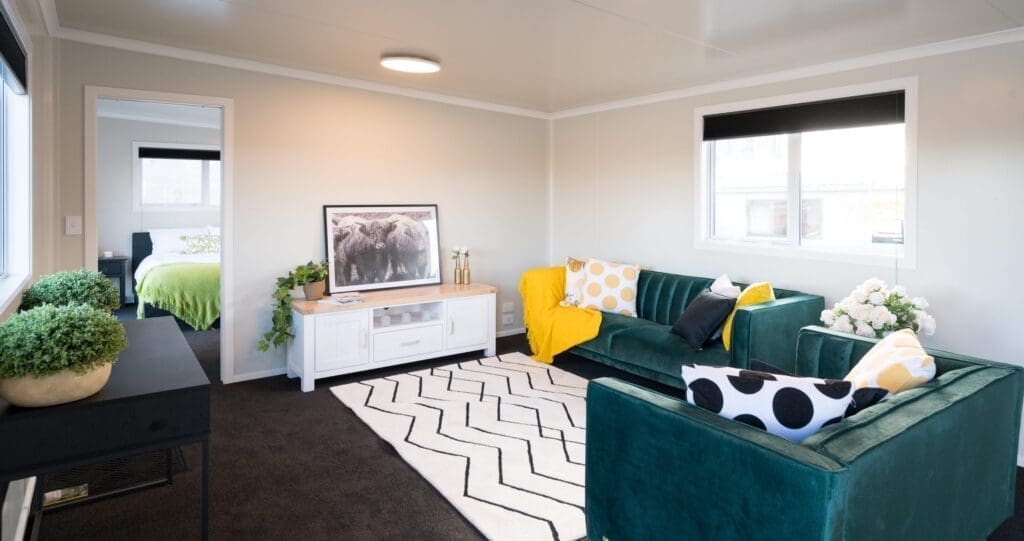
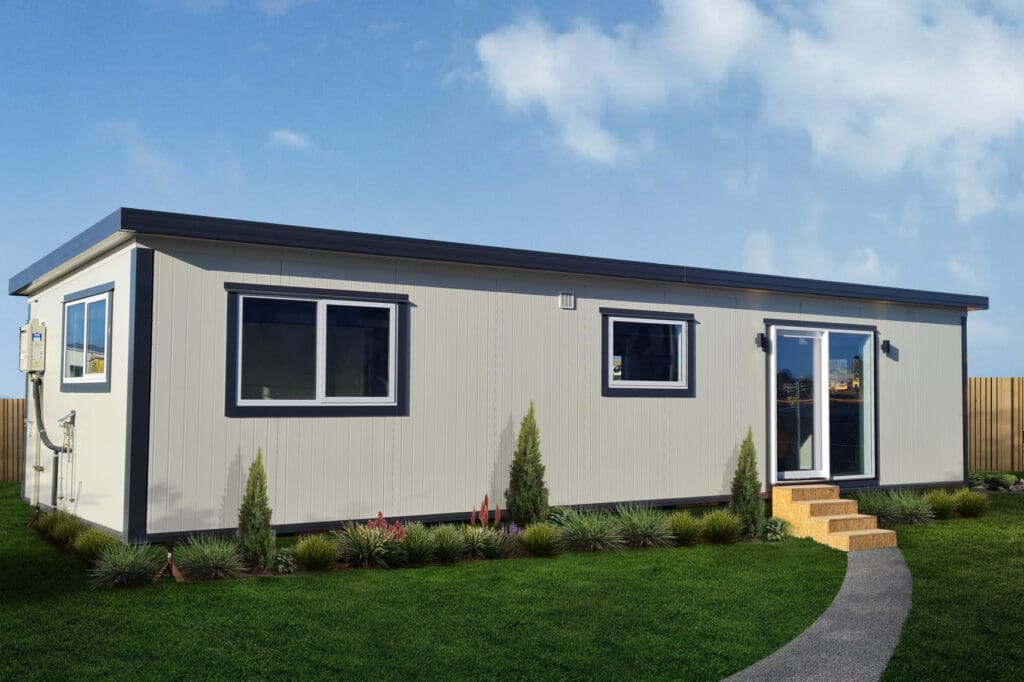
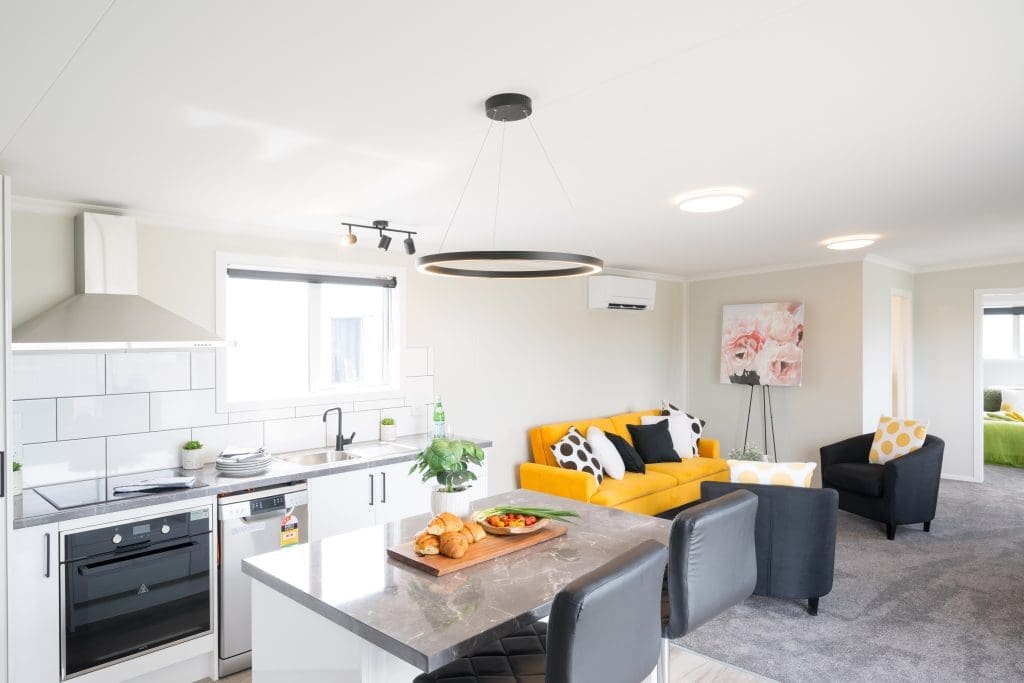
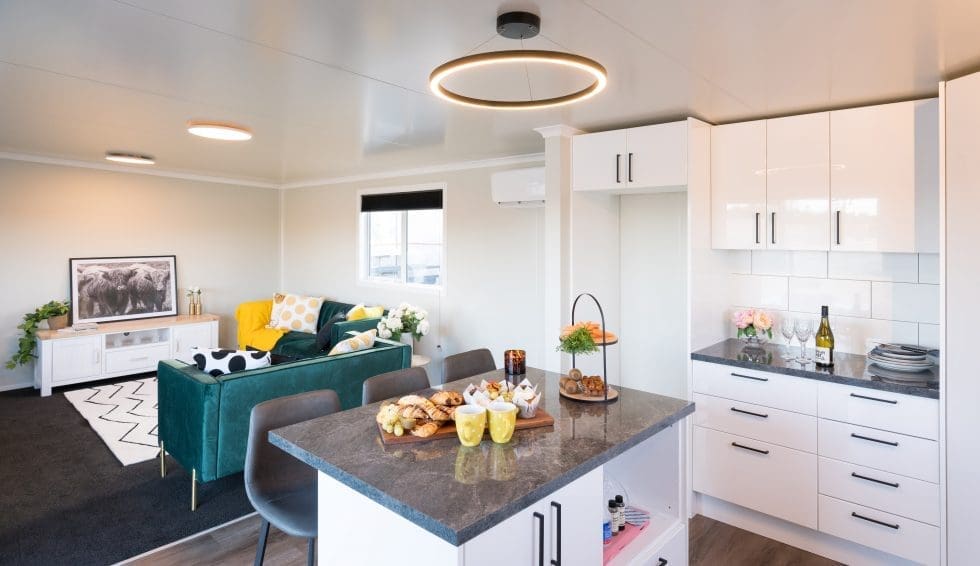
These changes will make it much easier to create quality accommodation for ageing relatives. A 70-square-metre granny flat offers genuine living space, complete with a proper kitchen, bedroom, bathroom, and living area—all without the extended consent timelines.
Property Investors
Investors can move faster on projects to start generating rental income sooner. Whether targeting long-term tenants or tapping into Airbnb opportunities, a compliant granny flat can be income-ready in a fraction of the time it previously would’ve taken, with significantly reduced upfront costs.
Multi-Generational Living Arrangements
Multi-generational living becomes more straightforward—young families on family land or adult children establishing themselves can access self-contained independence without the previous regulatory barriers.
Rural Properties and Farming Operations
Rural and farm properties throughout the country can establish worker accommodation more efficiently. The new granny flat regulations in NZ remove the red tape that made providing quality housing for farm staff more complex than it needs to be.
What the Changes Mean for Your Property
Faster Timelines: The consent process can take months, so removing this step for qualifying projects means significantly faster approvals—potentially reducing timeframes from 6-12 months to just a few weeks.
Cost Savings: Building and resource consent applications involve council fees, consultant costs, and potential report expenses. The exemption removes these costs entirely.
Limitations: Smaller sections may struggle with setback requirements—sloping sites might make single-storey construction challenging. Projects needing more than 70 square metres won’t qualify, and sites with hazards noted in the district plan may still require a full building consent.
Even if your build is exempt from building consent, you'll still need to check your district plan, lot size, setbacks, and drainage infrastructure. Additionally, you'll need to pay any applicable development contributions.
Preparing for 2026: Your Next Steps
There’s no need to wait until the regulations officially take effect. You can start planning your granny flat build now. Here’s how to get ahead:
Assess Your Property
Walk your section and consider where your granny flat might fit. Consider access, existing structures, and how the dwelling could work within your boundaries. Early planning will help you understand whether the granny flat exemptions apply to your project.
Talk to Your Council
While the regulations don’t come into force until early 2026, council planning teams can provide insights into your property’s zoning and site-specific considerations that might affect your project.
Consider Your Actual Needs
While the 70-square-metre limit works perfectly for many properties, be honest about your family’s needs. If you need more space, you can still follow the existing pathway, but it’s better to plan for the right dwelling than to compromise for the sake of an exemption.
If you don’t want to wait, want to be closer to your boundary, or have hazard designations on your land, then we can still follow the building consent route easily—we’ve been doing it for years and can help you navigate the process.
Build Your Granny Flat with Living Little
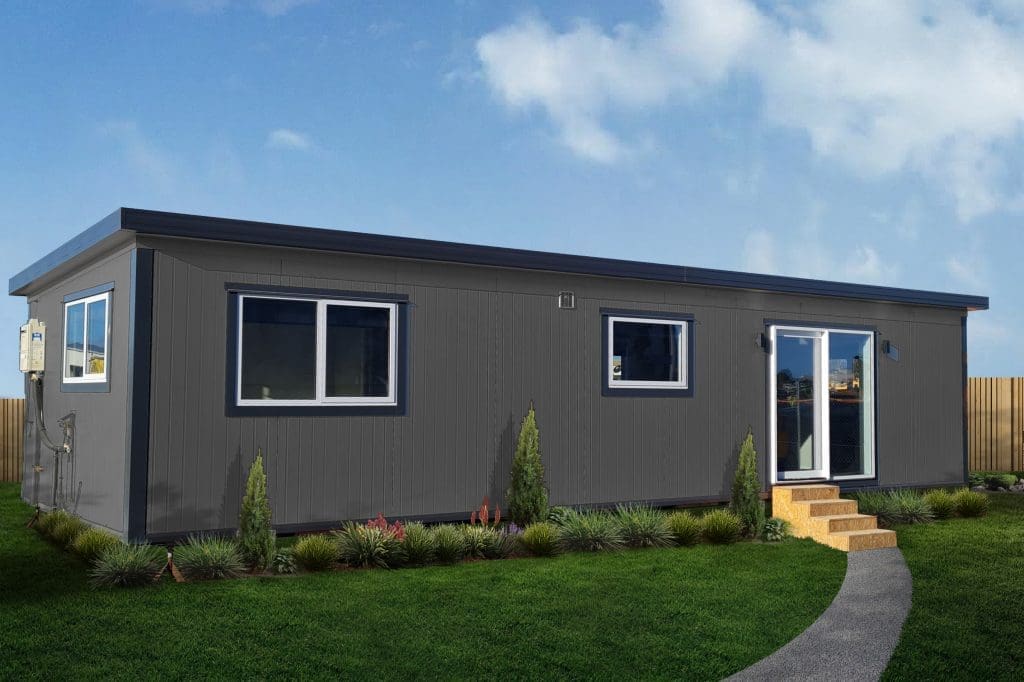
Let Living Little help you navigate the new granny flat regulations in NZ. We can assess your property, determine the appropriate pathway, and deliver a compliant granny flat in just 10-12 weeks!
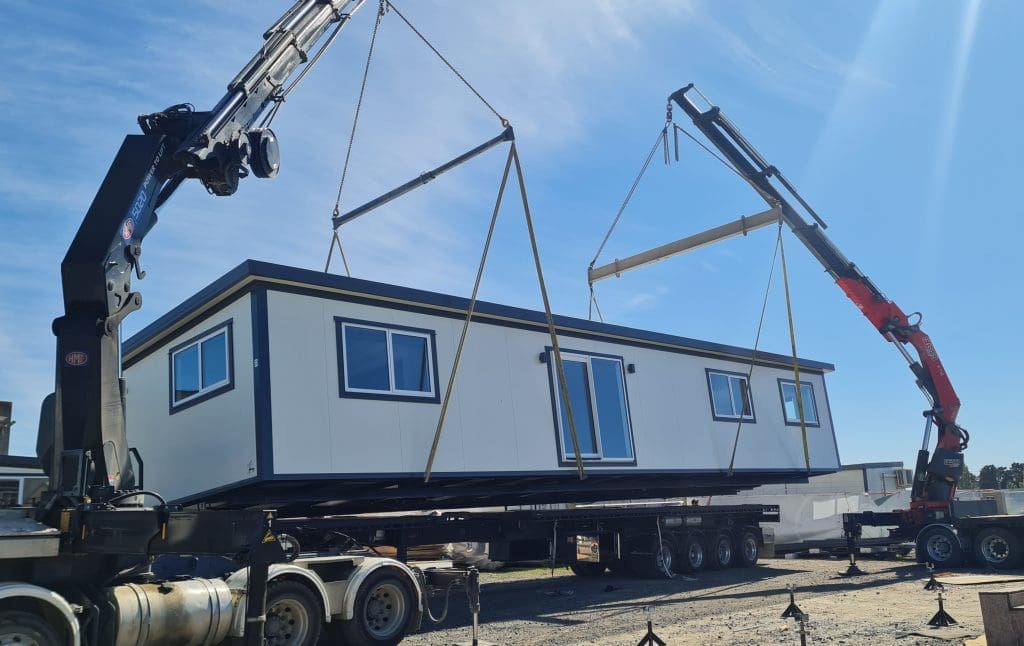
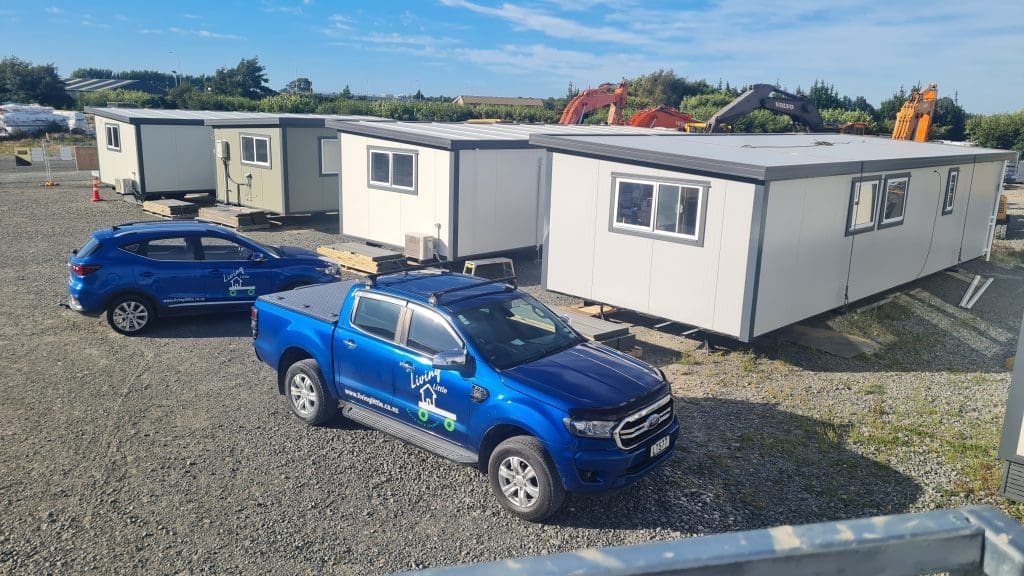
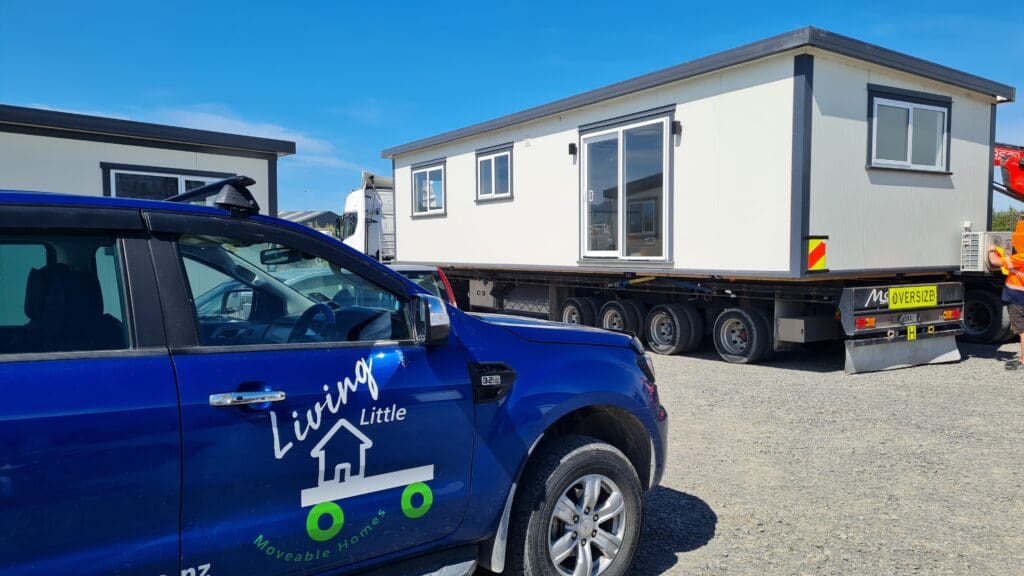
Get in touch with our team to discuss a freestanding or transportable granny flat in NZ and the relevant rules.
imum peace of mind.
Living Little Home Collection
Learn More